
Sedum roofing: everything you need to know before greening your roof
Lightweight, hardy and low-maintenance, sedum is the plant of choice for flat roofs. Substrate thickness, weight, installation method and maintenance: here are the essentials for creating a successful sedum roof, using Swiss ecotype sedums grown on the Vaud coast.
Sedum roofing: why grow these plants on roofs?
Sedum, or stonecrop, is a succulent plant: its fleshy leaves store water, enabling it to survive long periods without rain. With shallow roots and acting as a ground cover, it thrives in a thin, nutrient-poor substrate. This is why it is the plant of choice for extensive green roofs, which are the lightest type.
For information on the benefits of green roofs in general (rainwater harvesting, insulation, solar panels), please visit our page green roof.

Swiss sedum ecotypes, grown on the Vaud coast
Not all sedums are created equal on a roof in the Lake Geneva region. TOITVERT grows native sedums, suited to our climate, without using plastic pots:
Sizes, varieties and packaging: find out more about our sedum plants without pots.
Thickness and weight of a sedum roof
Because it grows in very little substrate, sedum makes it possible to create green roofs on structures that would not otherwise be able to support a garden. However, the thickness and weight depend on the system chosen:
| System | Thickness | Saturated weight |
|---|---|---|
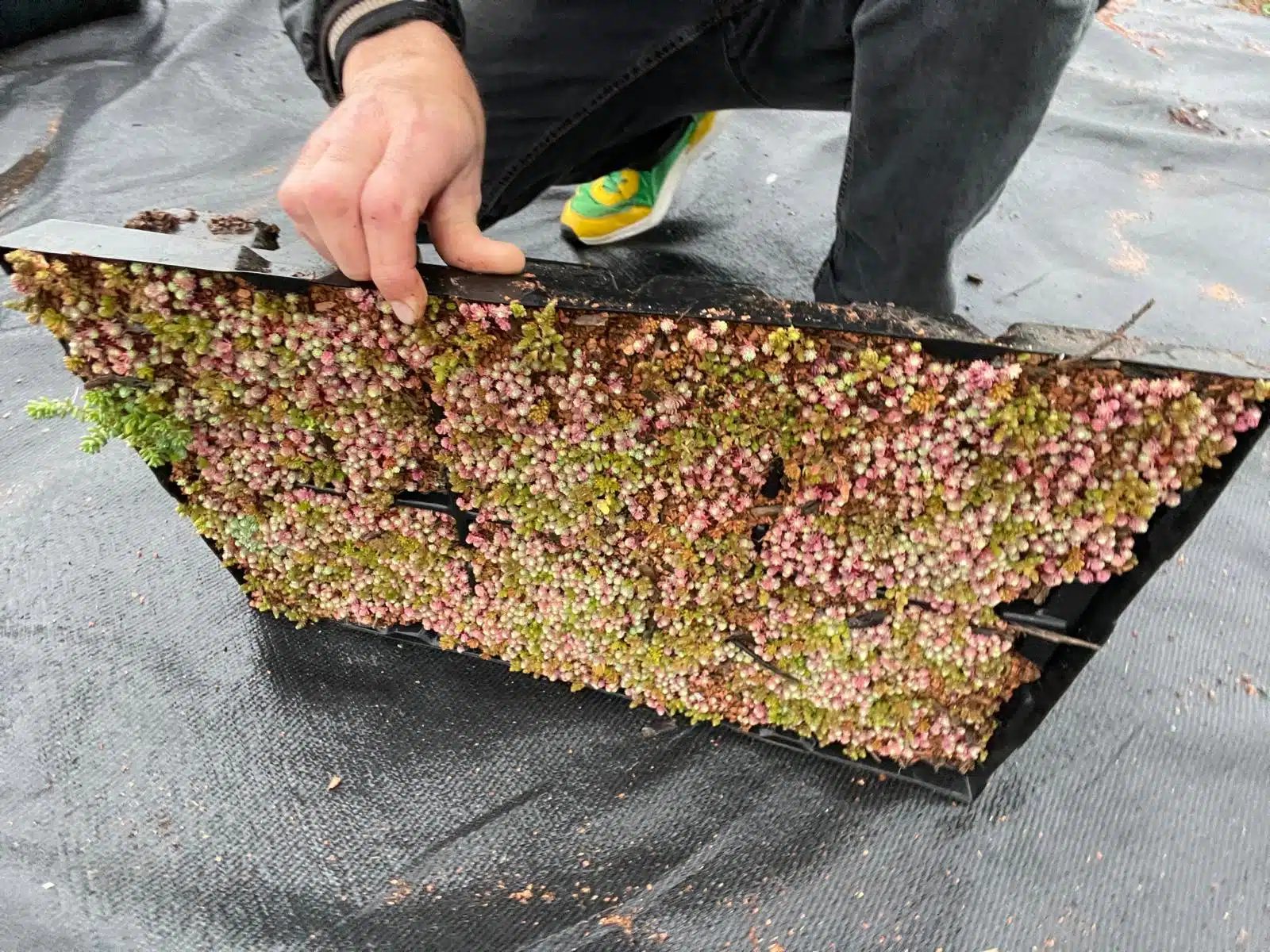
| Swiss Caissette pre-grown tray | 100 to 180 mm (substrate + vegetation) | 80 kg/m² |
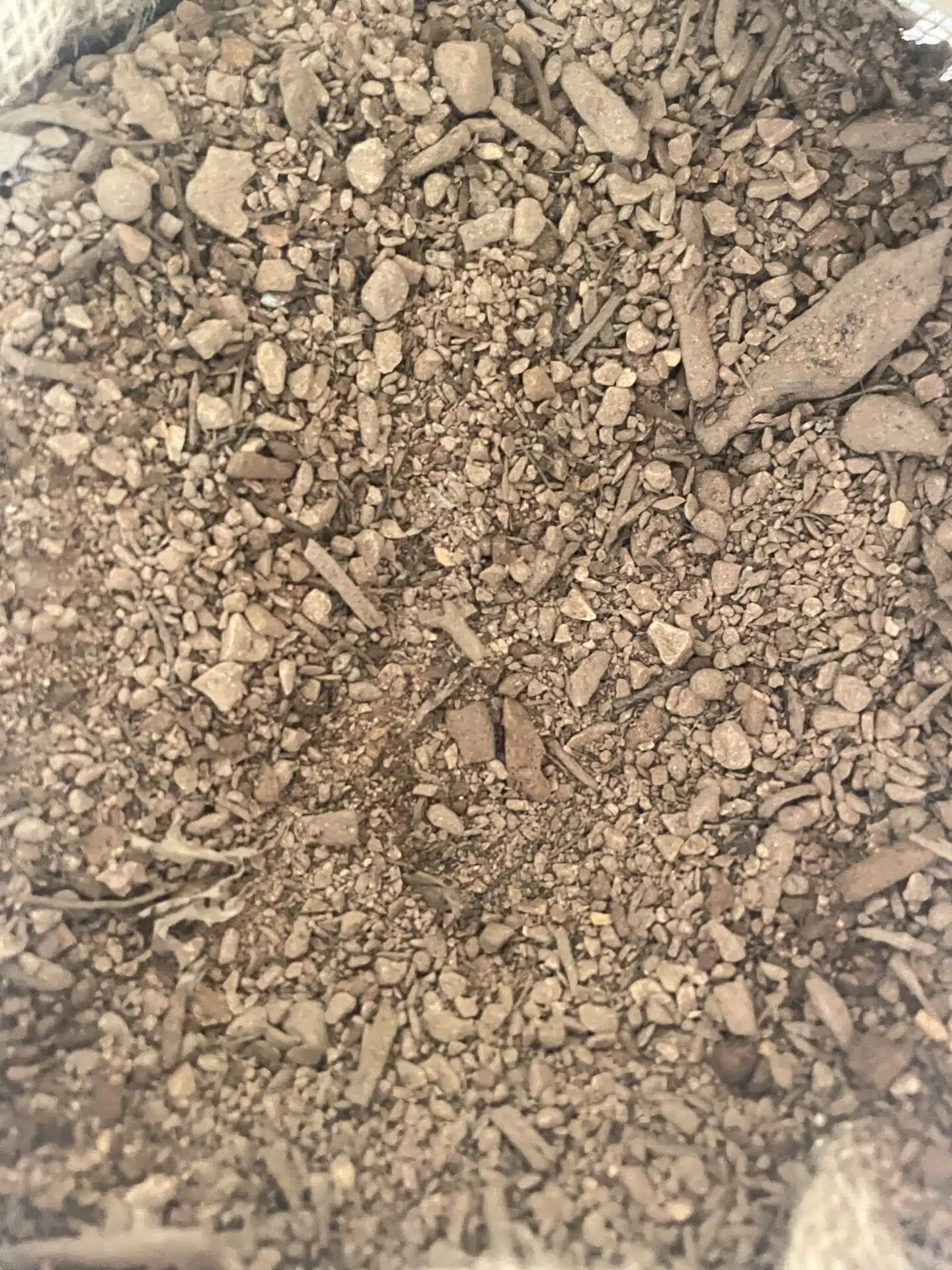
| Swiss substrate, 8 cm thick layer (before planting) | 8 cm | 112 kg/m² |
Good to know : These guidelines are no substitute for a check of your roof’s load-bearing capacity – ideally carried out by an engineer – before any work begins.
Sedum mats, plants, clumps or containers: how do you install a sedum roof?
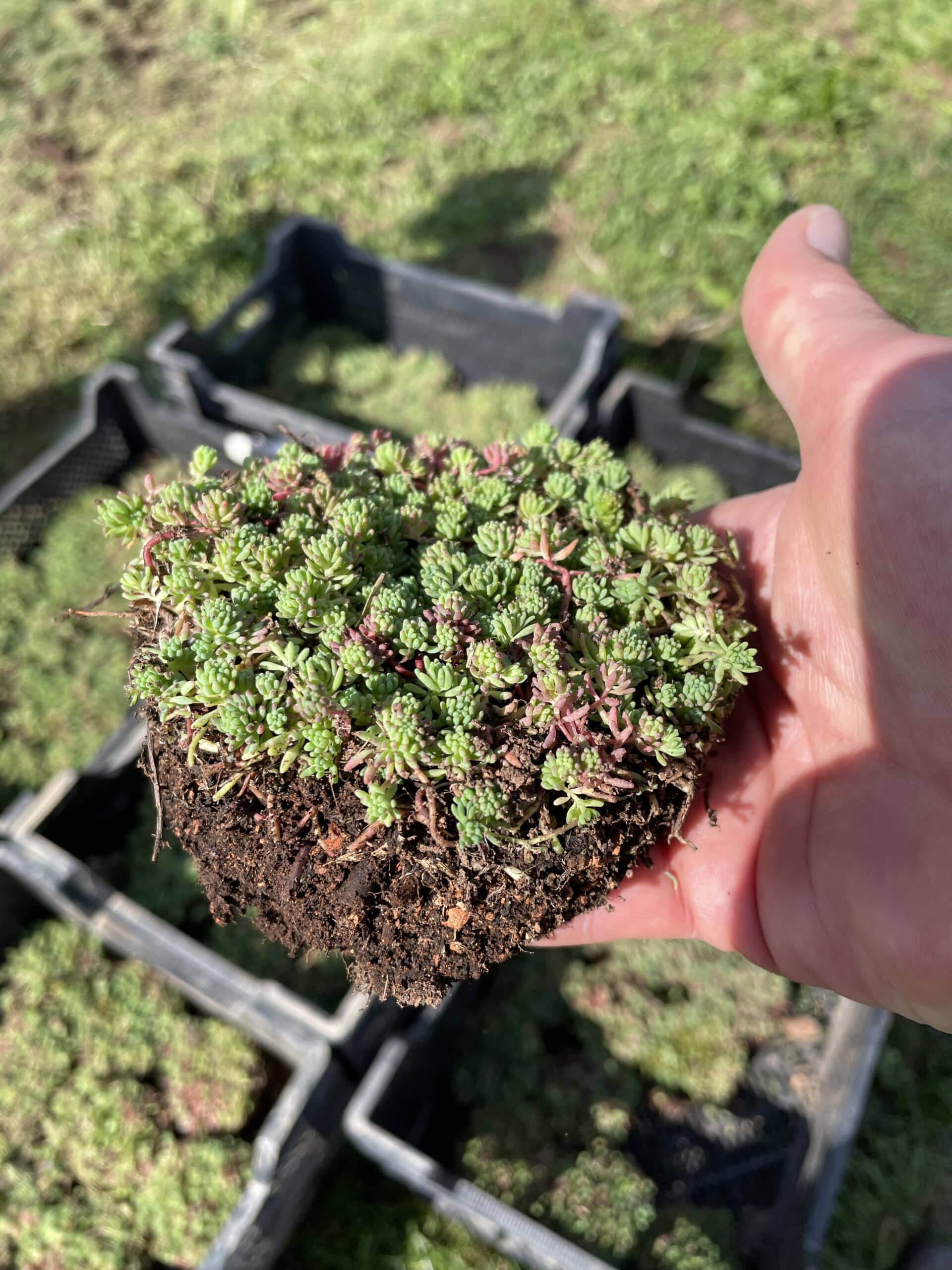
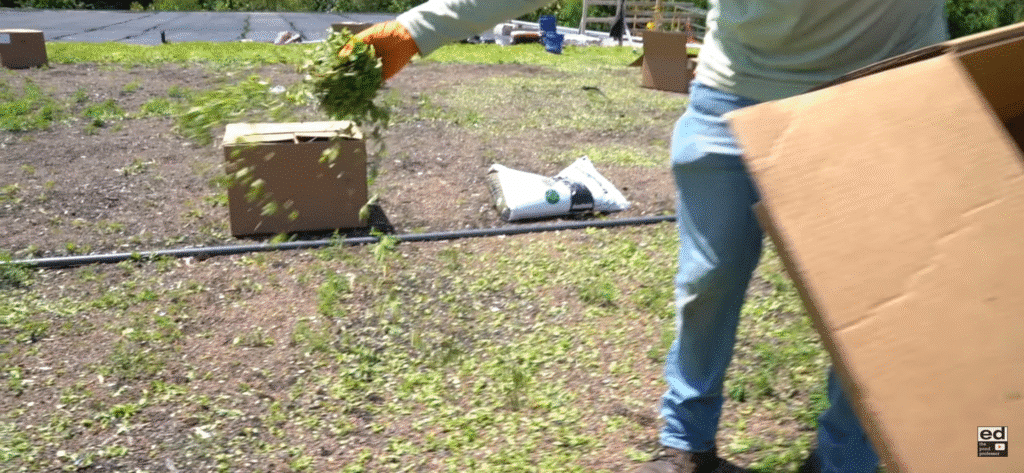
There are several ways to install a sedum roof. The sedum carpet, pre-grown turf supplied in rolls, is the best known. TOITVERT has developed three locally produced alternatives, to be chosen depending on access to the site and the desired lead time:
Maintenance of a sedum roof: very low
A properly installed sedum roof requires little maintenance:
Sedum or a flower meadow: which should you choose for your roof?
Sedum is not the only option for an extensive roof. Native grassland is the other major category:
| Criterion | Sedum roof | Green roof |
|---|---|---|
| Vegetation | 5 Swiss sedum ecotypes | A Lake Geneva meadow with around thirty native species |
| Appearance | Low-growing ground cover, iridescent colours | Higher up, a flower-filled meadow |
| Key strength | Resilience to heat, frost and drought | Biodiversity: up to 60 % of rainfall absorbed |
| TOITVERT Solutions | Swiss Sedum, Swiss Fragment (sedums), Swiss Caissette | Swiss Prairie, Swiss Fragment («City of Lausanne» prairie) |
Where should a sedum roof be installed?
Sedum is suitable for flat or gently sloping roofs, from the smallest areas to large roof surfaces.
Sedum roofing: your questions
Colours, watering, frost, planting: answers to the questions you might ask yourself before choosing sedum.
Your sedum roof, from Gland to the whole of Switzerland
Please send us the surface area, the intended use and a few photos of your roof: we’ll suggest the most suitable installation method.