Green roofs: choosing the right system for your roof
Flat rooftops on buildings, carports or swimming pool covers: extensive green roof systems designed and cultivated in Gland, from the technical survey to the monitoring of the vegetation.
Green roofs: definition and how they work
A green roof depends on three factors: the type of green roof, the system best suited to your roof, and the subsequent maintenance. But first, what exactly are we talking about?
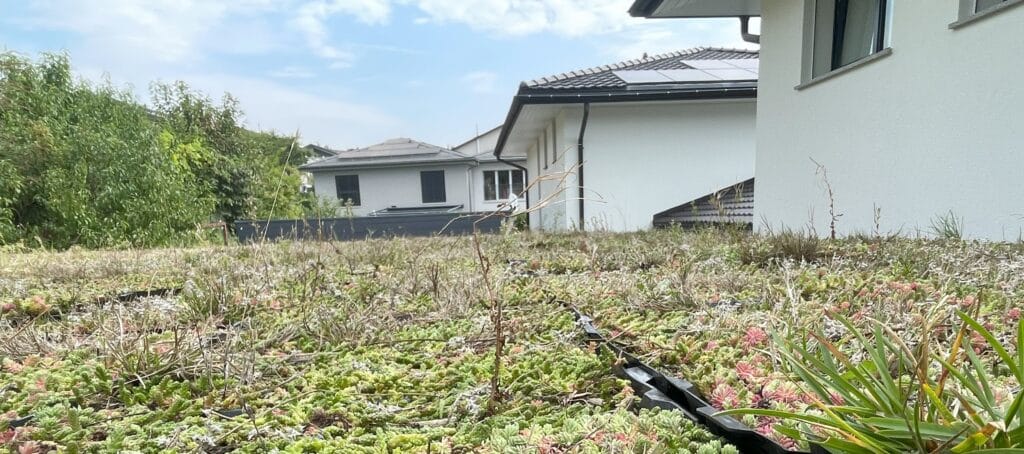
A green roof is a roof covered with living vegetation, installed on top of a technical system that protects the building. The terms ‘vegetated roof’, ‘green roof’ and ‘roof garden’ are used interchangeably. On a flat or gently sloping roof, this system generally consists of the following layers, from the building upwards:
Pre-grown systems, such as planters, combine several of these functions into a single unit, thereby minimising the amount of work required on the roof.

Extensive, semi-intensive or intensive: which green roof should you choose?
Green roofs are categorised according to the thickness of the substrate, and therefore according to their weight, the types of vegetation that can be grown on them, and the maintenance required.
| Criterion | Extensive | Semi-intensive | Intensive |
|---|---|---|---|
| Substrate | Thin | Average thickness | Very thick |
| Vegetation | Sedums, dry grassland | Perennials, grasses | Lawn, shrubs, trees |
| Weight | Low | Medium | High |
| Maintenance | Minimal | Moderate | Like a garden |
| Access | Not open to traffic | Punctual | Accessible roof garden |
TOITVERT specialises in extensive green roof : the lightest and lowest-maintenance solution, suitable for the vast majority of flat roofs, from public buildings to house outbuildings.
What a green roof actually achieves
Less water in the pipes
Vegetation and the substrate store part of the rainfall and then gradually release it: depending on the system, between 33 and 40 L/m² of water at saturation, representing 50 to 60 % of the annual rainfall absorbed. During thunderstorms, the flow into the drainage channels is capped.
A cooler roof, waterproofing that lasts
Protected from direct sunlight, the roof surface heats up much less: the temperature measured on the roof is halved. The result: greater comfort in summer, savings on heating and air-conditioning, and a doubling of the service life of the waterproofing joints.
A bonus for your solar panels
Thanks to plant evapotranspiration, the air above a green roof remains cooler, which improves the efficiency of photovoltaic panels. This is the principle behind biosolar roofs, on which EPFL is testing TOITVERT products.
Biodiversity in the city
Nectar-producing sedums, native grassland: the roof becomes a haven for pollinators, microfauna and birds, whilst helping to cool the neighbourhood and store CO₂.
Which system should you choose, depending on your roof?
Every roof has its own constraints: access, surface area, and objectives relating to water retention or biodiversity. Here’s how our solutions are tailored to these factors:
| Your situation | TOITVERT solution |
|---|---|
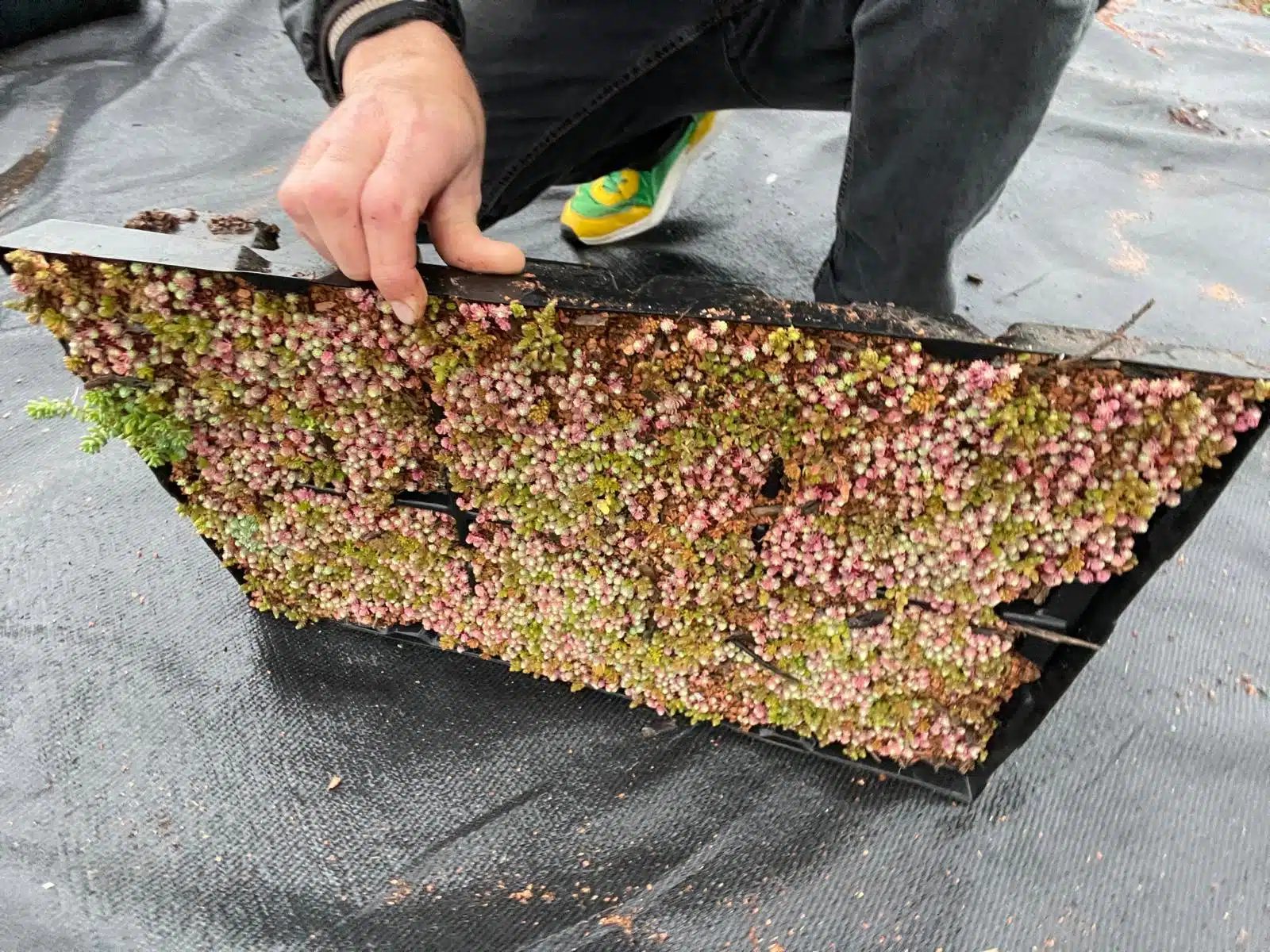
| Do you want a green roof straight away and high water retention? | Swiss Caissette, pre-cultivated tray, 33 L/m² at saturation |
| You are aiming for maximum native biodiversity | Swiss Prairie, a module planted with 30 native species, in 8 or 10 cm pots |
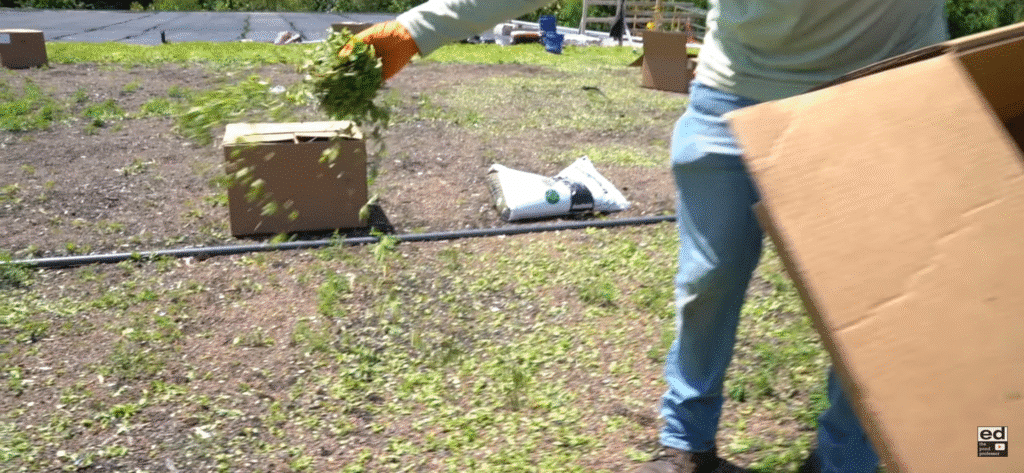
| Access is difficult: stairs, a slope and a narrow passageway | Swiss Fragment, fragments scattered haphazardly, without the aid of a machine |
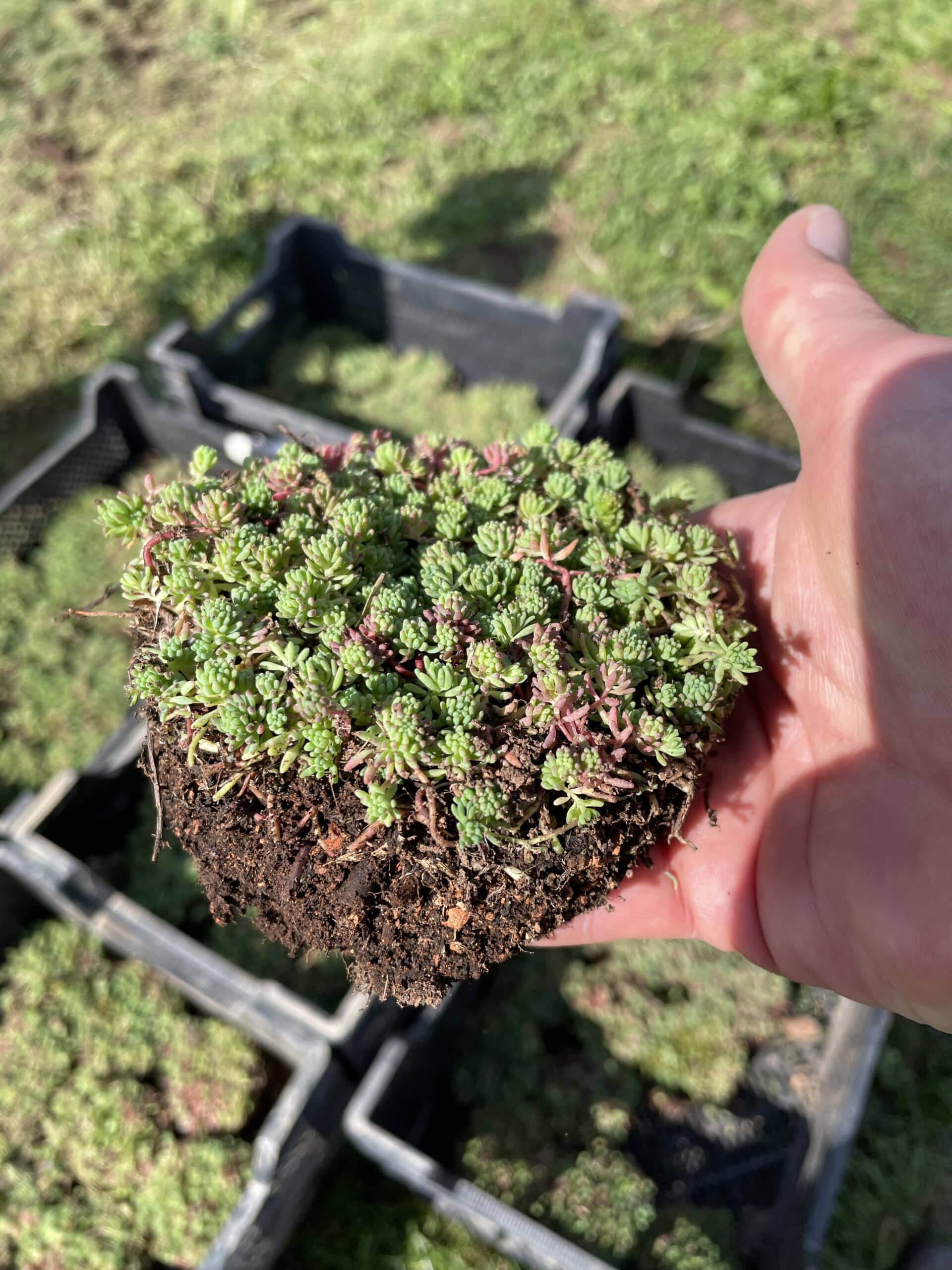
| You are planting in a growing medium laid out on the roof | Swiss Sedum, Swiss sedum ecotypes (without pots), delivered in crates |
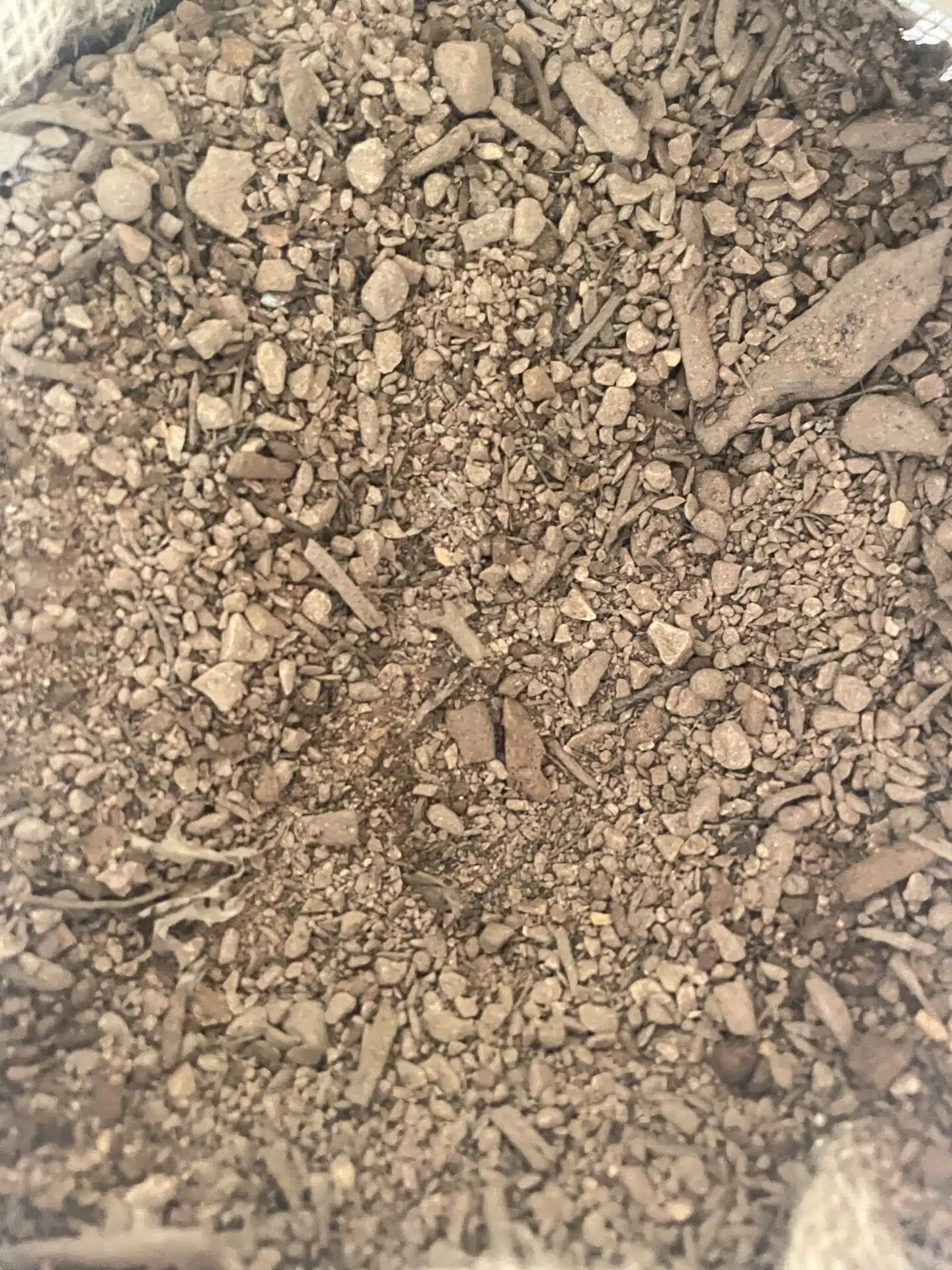
| You need a local, standardised growing medium | Swiss Substrate, 100 % from the Canton of Vaud, drawn up in accordance with SIA 312:2010 |
Need technical data?
Retention, weight, particle size, packaging: all the specifications are in our technical datasheets.
Before planting: things to check
Your green roof project, step by step
01
Technical survey and quotation
We analyse the pitch, aspect, access and intended use, and then calculate the costs of delivery, installation and maintenance.
02
Limitation period
For professionals: technical datasheets, retention and weight data, guidance on integration with waterproofing, and a specification workshop.
03
Delivery
EPAL pallets (80 × 120), 1 m³ Big Bags or bulk goods, collection from the field or transport subject to quotation, anywhere in Switzerland.
04
Installation
Set up as soon as possible after delivery (within 36 hours at the latest for Swiss Caissette), check the bedding and drainage holes, and water the plants initially.
05
Maintenance and monitoring
Two treatments per year, slow-release fertiliser, multi-year contracts and a guarantee of ground cover on request.
A green roof grown in Gland, not imported
Unlike systems produced abroad, our plants and growing media are produced in French-speaking Switzerland, using raw materials from the canton of Vaud: this means less transport, a smaller carbon footprint and plants that are already adapted to our climate.
More than 7,000 m² Planting materials have already been produced at our nursery, using solutions that comply with SIA recommendations and PACOM guidelines.
Green roofs: your questions
Weight, watering, timeframes, solar panels: answers to the questions you might ask yourself before installing a green roof.